La Catrina history
The skeleton in the trend is older than the movies, older than television — she started as a political joke in etching ink.
What this page is
A hundred years of the elegant skeleton
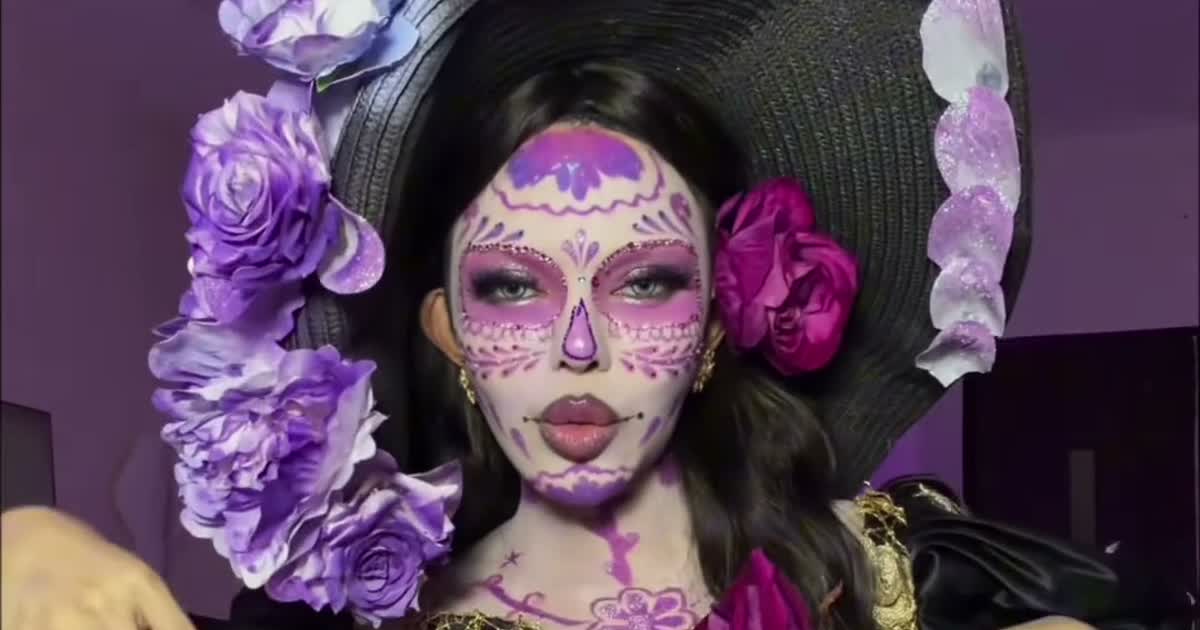
Around 1910, the Mexican printmaker José Guadalupe Posada etched a skeleton in a wide plumed European hat and called her la calavera garbancera — a jab at Mexicans who dressed European and pretended their indigenous roots away. The hat was the tell: garbancera referred to people who sold chickpeas and aped French manners.
In 1947, Diego Rivera painted her into his mural Dream of a Sunday Afternoon in Alameda Park, gave her the full elegant gown — and the name La Catrina, Mexican slang for a well-dressed woman. From there she became the elegant face of Día de Muertos, the Day of the Dead celebrated on November 1-2: sugar-skull face paint, marigolds (cempasúchil), candles, ofrendas with photos of the departed.
The fairytale layer — the glowing gown, the flowered hat, the candle-lit land of the remembered — comes from the 2014 animated film The Book of Life, which is exactly the look the 2026 AI trend reproduces from one photo. The paint is a hundred years older than the film; the film is what the feed fell in love with.
- Pick a reveal, upload one photo. Open the Sasha La Catrina template, pick the reveal you want from the sample list — the flower toss, the ofrenda hands-over-face, the Catrín, or the pet versions — and upload one clear front-facing photo. Face toward the camera, hands away from the face, waist-up if you want the gown. For a pet, a photo where the whole head and its markings show. JPG, PNG, and WebP work.
- Generate the transformation. The clip's reveal, camera, gown and sound are all pre-built — your photo only supplies the face. Check the credit cost shown before you start and generate. The AI keeps your face under the sugar-skull paint and rebuilds the gown, the candles and the petals around it at the clip's own length.
- Download the MP4. Download the vertical MP4 when the render finishes — the reveal lands on the marigold light, with the sample's original sound already kept. Paid credit packs and monthly plans export without a ViralReel watermark.
- Post with the trend sound and the AI label. Post on TikTok under #fairytalecatrina, #lacatrina and #sashalacatrina — or on Reels and Shorts. If the sound is missing from your download, add "Adiós señora bonita" (from The Book of Life) from the in-app library, and turn on the AI-generated label where the platform asks. The trend peaks on Día de Muertos, November 1-2.
Turn one photo into Catrina · The seven reveals · TikTok posting guide · See pricing
FAQ
Frequently asked questions
Who originally created La Catrina?
José Guadalupe Posada, around 1910, as la calavera garbancera. Diego Rivera named her La Catrina in his 1947 mural. Neither could have imagined the one-photo AI version — but the plumed hat survived a century to end up on TikTok.
Is dressing as Catrina on TikTok disrespectful?
La Catrina is a shared cultural symbol of Día de Muertos, and the holiday itself has always mixed satire with remembrance. Keep the AI label on, treat the holiday with respect, and do not pass the render off as real face paint or as memorial content.
Come back as Catrina while the marigolds are up
The template is on ViralReel. Pricing lists credit packs and monthly plans.